Neck Press with Bar
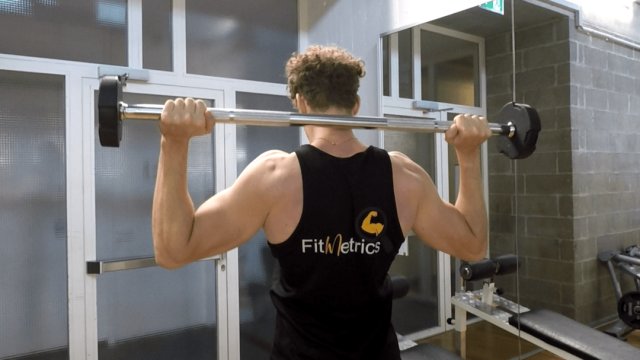
Demonstration video
Recommended by our experts
Receive your personalized program
Stop training at random.
Get my program- Program tailored to your profile
- Guided progression
- Compatible with your equipment
- Structured plan
Our coach prepares your program
Get my programHow to do Neck Press with Bar
Instructions
- Sit on a musculation bench with a straight back and grip the Olympic bar slightly wider than shoulder-width.
- Unrack the bar and hold it behind your neck at shoulder level.
- Press the bar upward in a straight line until your arms are fully extended overhead.
- Lower the bar back behind your neck under control to the starting position.
- Repeat for the desired number of repetitions.
Technical Tips
- Maintain a neutral spine and keep your chest lifted throughout the movement.
- Avoid bouncing the bar off the neck or using momentum.
- Engage your core to stabilize the torso during the press.
- Control both the upward and downward phase to maximize muscle engagement.
Breathing Tips
- Inhale as you lower the bar behind your neck.
- Exhale forcefully as you press the bar upward.
Medical restrictions
- Shoulder impingement syndrome
- Rotator cuff injuries
- Cervical spine issues
- Limited shoulder mobility
Description
The Neck Press with Bar, also known as the Behind-the-Neck Shoulder Press, is a compound strength training exercise that targets the shoulder muscles with an emphasis on posterior engagement. Unlike the standard overhead press, the bar path in this variation moves behind the head, placing greater demand on the rear deltoids and upper traps. This exercise is typically performed with an Olympic barbell and a musculation bench, requiring a solid foundation of shoulder mobility and control. It is most often used by advanced lifters looking to develop full shoulder balance, especially for aesthetic or bodybuilding purposes. The movement requires precise technique and should be executed with caution to avoid strain on the cervical spine and rotator cuff. Ideal for hypertrophy-focused routines, the neck press challenges shoulder stabilization and upper body coordination, making it a valuable but technically demanding addition to a comprehensive shoulder training program.
Credits

Frequently asked questions
-
Is the neck press with a bar safe for my shoulders?
The neck press with a bar can be safe when performed with proper form and sufficient shoulder mobility, but it is not recommended for those with shoulder or neck issues. -
What muscles does the neck press behind the head work?
The neck press targets the shoulders—particularly the rear deltoids—while also engaging the triceps and upper traps. -
Should I include the neck press in my shoulder workout?
You can include the neck press if you're an advanced trainee with good mobility and looking to target all deltoid heads, especially the rear delts. -
What are safer alternatives to the neck press?
Safer alternatives include the standard barbell overhead press, dumbbell shoulder press, or machine shoulder press. -
Can I do the neck press standing instead of seated?
Yes, it can be done standing, but the seated variation offers more stability and better isolates the shoulder muscles.
Variants and alternatives
See all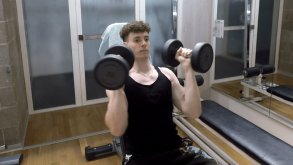
Arnold press
Advanced
Arnold press
Intermediate
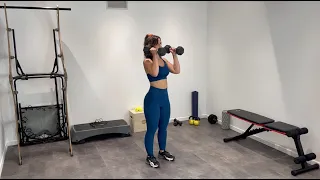
Dumbbell overhead press
Intermediate

Machine shoulder press
Beginner
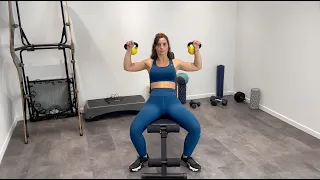
Kettlebell seated military press
Beginner
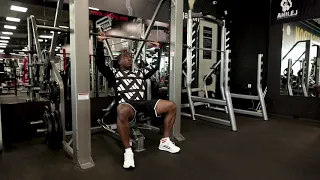
Smith machine overhead shoulder press
Intermediate
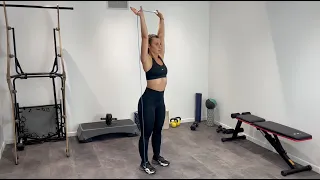
Band overhead press
Intermediate
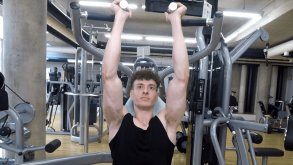
Military machine press (tight grip)
Beginner
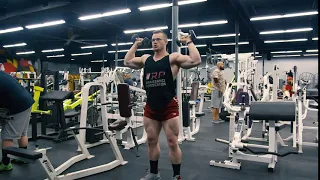
Standing overhead dumbbell press
Intermediate
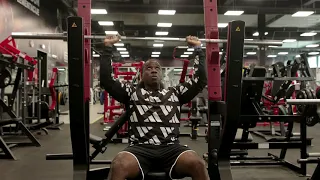
Seated barbell military press
Intermediate
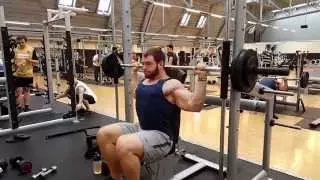
Smith machine behind the neck press
Intermediate
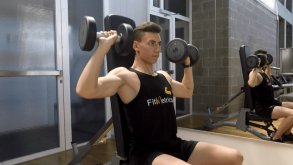
Dumbbell military press
Intermediate
Related fitness articles
See all
Shoulder pain in weight training: prevention and solutions
Risk of injuries
What is the best training structure?
Muscle gain
Lose weight fast: effective and safe methods
Diet

Dietary supplements: what should you know?
Health

Cardio and strength training: how to avoid interference
Weight loss
Supplements taken wrong: mistakes that cancel their effects
Dietary supplements

High-calorie foods: why choose them?
Muscle gain
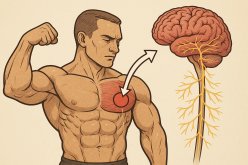
Mind-muscle connection: the key to effective training
Muscle gain
Recommended by our experts
Receive your personalized program
Stop training at random.
Get my program- Program tailored to your profile
- Guided progression
- Compatible with your equipment
- Structured plan
Our coach prepares your program
Get my program