Smith Machine Behind the Neck Press
Demonstration video
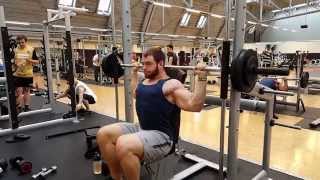
Recommended by our experts
Receive your personalized program
Stop training at random.
Get my program- Program tailored to your profile
- Guided progression
- Compatible with your equipment
- Structured plan
Our coach prepares your program
Get my programHow to do Smith Machine Behind the Neck Press
Instructions
- Set the bench at a vertical position inside the Smith machine.
- Sit with your back straight and grip the bar slightly wider than shoulder-width.
- Unrack the bar and lower it slowly behind your head to just below ear level.
- Press the bar upward until your arms are fully extended.
- Repeat for the desired number of repetitions.
Technical Tips
- Keep your core engaged to stabilize your torso.
- Avoid excessive arching of your lower back.
- Lower the bar under control; do not bounce.
- Ensure the bar path remains straight and aligned with your shoulders.
Breathing Tips
- Inhale as you lower the bar behind your neck.
- Exhale as you press the bar back up to the starting position.
Medical restrictions
- Shoulder impingement
- Rotator cuff injuries
- Neck injuries
- Severe cervical spine issues
Description
The Smith Machine Behind the Neck Press is an effective compound exercise primarily targeting the shoulders while also engaging the triceps and upper back stabilizers. Performed using a guided Smith machine, it allows controlled vertical pressing movement, which is ideal for intermediate or advanced lifters seeking to isolate the shoulder complex with added stability. This variation places greater emphasis on the rear deltoids and traps compared to the front barbell press, promoting balanced shoulder development and improved overhead strength. By lowering the bar behind the neck, the exercise increases recruitment of the lateral and posterior deltoids, which is beneficial for physique aesthetics and functional shoulder stability. It is commonly integrated into bodybuilding and strength routines to enhance shoulder hypertrophy and pressing power. However, due to its specific biomechanics, it is crucial to maintain proper form and shoulder mobility to avoid undue stress on the rotator cuff and cervical spine. This movement is not recommended for individuals with pre-existing shoulder mobility limitations or impingement concerns. When programmed correctly with moderate to controlled heavy loads, the Smith Machine Behind the Neck Press remains a staple for effective shoulder training in a safe, guided setup.
Frequently asked questions
-
Is the Smith Machine Behind the Neck Press safe for my shoulders?
The Smith Machine Behind the Neck Press can place stress on the rotator cuff and shoulder joints if you lack sufficient mobility. It is safe when performed with proper form, controlled range, and adequate shoulder flexibility. Consult a professional if you have any history of shoulder injuries. -
What muscles does the Smith Machine Behind the Neck Press target?
The Smith Machine Behind the Neck Press primarily targets the shoulders, specifically the front, side, and rear deltoids, while also engaging the triceps and upper traps to stabilize the movement. -
Should I include the Smith Machine Behind the Neck Press in my workout routine?
You should include the Smith Machine Behind the Neck Press if your goal is to enhance overall shoulder development and strength. Ensure you have good shoulder mobility and no pre-existing injuries before adding it to your program.
Variants and alternatives
See all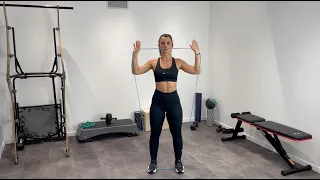
Band military press
Beginner
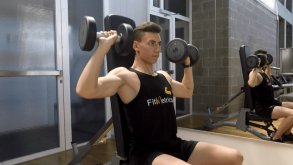
Dumbbell military press
Intermediate
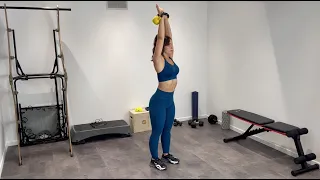
Kettlebell overhead press
Intermediate
Arnold press
Intermediate
Kettlebell single arm press
Intermediate
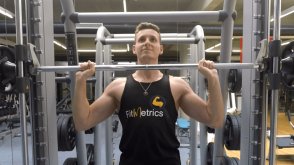
Smith machine military press
Intermediate
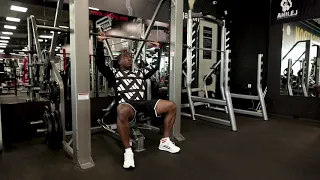
Smith machine overhead shoulder press
Intermediate
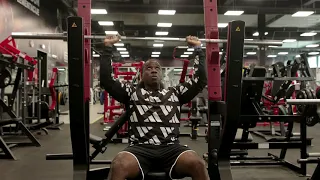
Seated barbell military press
Intermediate
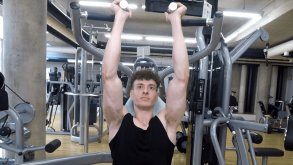
Military machine press (tight grip)
Beginner
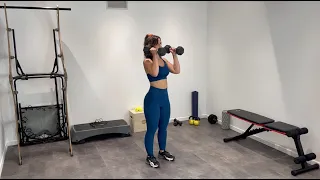
Dumbbell overhead press
Intermediate
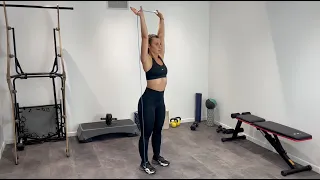
Band overhead press
Intermediate
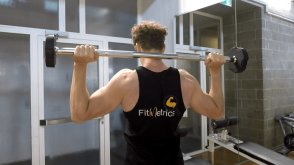
Neck press with bar
Advanced
Related fitness articles
See all
Shoulder pain in weight training: prevention and solutions
Risk of injuries

What is the best training structure?
Muscle gain

Lose weight fast: effective and safe methods
Diet

Dietary supplements: what should you know?
Health

Cardio and strength training: how to avoid interference
Weight loss
Supplements taken wrong: mistakes that cancel their effects
Dietary supplements

High-calorie foods: why choose them?
Muscle gain
Mind-muscle connection: the key to effective training
Muscle gain
Recommended by our experts
Receive your personalized program
Stop training at random.
Get my program- Program tailored to your profile
- Guided progression
- Compatible with your equipment
- Structured plan
Our coach prepares your program
Get my program