Foam Rolling Back
Demonstration video
Recommended by our experts
Receive your personalized program
Stop training at random.
Get my program- Program tailored to your profile
- Guided progression
- Compatible with your equipment
- Structured plan
Our coach prepares your program
Get my programHow to do Foam Rolling Back
Instructions
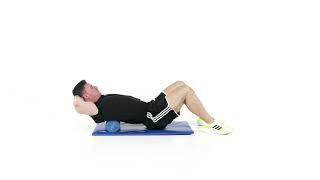
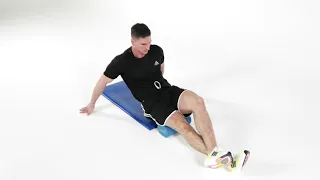
- Sit on the floor and place a foam roller horizontally behind you.
- Lie back slowly until your upper back rests on the roller.
- Cross your arms over your chest to move your shoulder blades apart.
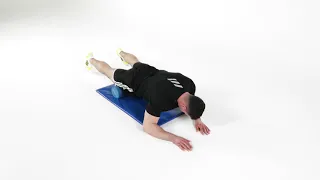
- Lift your hips off the floor and slowly roll from your upper to mid-back.
- Pause on tight or sore spots for 10–20 seconds before continuing.
- Roll for 30–60 seconds, then slowly lower your hips and come off the roller.
Technical Tips
- Keep your head in a neutral position to avoid neck strain.
- Avoid rolling onto the lower back directly to prevent spinal stress.
- Engage your core to maintain control during the movement.
Breathing Tips
- Inhale deeply as you prepare to roll.
- Exhale slowly as you move along the roller.
- Use steady breathing to help relax the muscles being targeted.
Medical restrictions
- Spinal fractures or acute disc injuries
- Severe osteoporosis
- Recent back surgery
- Inflammatory back conditions (e.g., ankylosing spondylitis)
Description
Foam Rolling Back is a self-myofascial release technique designed to reduce muscle tension and improve mobility in the upper and mid-back. This exercise uses a foam roller to apply targeted pressure to the thoracic spine area, which is especially beneficial for individuals with poor posture, sedentary habits, or upper back tightness. By gently rolling the back muscles over the foam roller, it stimulates blood flow, loosens fascia, and helps break up adhesions, contributing to better movement quality and reduced discomfort. Ideal as a warm-up, cool-down, or part of a recovery routine, foam rolling the back is widely used in fitness, CrossFit, Pilates, and physical therapy. It requires minimal equipment and is accessible to most individuals, making it a valuable addition to any wellness program. This technique is particularly effective for relieving tension caused by prolonged sitting or computer work and can enhance thoracic spine mobility, which is essential for overhead movements and athletic performance.
Frequently asked questions
-
How often should I foam roll my upper back?
You can foam roll your upper back daily or several times per week, especially if you experience tightness or stiffness. Regular sessions of 1–2 minutes can help improve mobility and reduce tension. -
Is foam rolling the back safe for everyone?
Foam rolling the back is generally safe for healthy individuals, but those with spine injuries, recent surgery, or osteoporosis should consult a healthcare provider before attempting it. -
Can foam rolling improve posture?
Yes, foam rolling the back can help improve posture by releasing tight muscles and increasing thoracic mobility, which supports better alignment and reduces slouching. -
Should I roll the lower back with a foam roller?
It’s not recommended to foam roll the lower back directly, as it may stress the spine. Instead, focus on the upper back and surrounding areas like the lats and glutes. -
What type of foam roller is best for the back?
A medium-density or high-density foam roller is ideal for the back. Avoid rollers with hard ridges if you're new to foam rolling or have sensitivity.

Related fitness articles
See all
Shoulder pain in weight training: prevention and solutions
Risk of injuries

What is the best training structure?
Muscle gain

Lose weight fast: effective and safe methods
Diet

Dietary supplements: what should you know?
Health

Cardio and strength training: how to avoid interference
Weight loss
Supplements taken wrong: mistakes that cancel their effects
Dietary supplements

High-calorie foods: why choose them?
Muscle gain
Mind-muscle connection: the key to effective training
Muscle gain
Recommended by our experts
Receive your personalized program
Stop training at random.
Get my program- Program tailored to your profile
- Guided progression
- Compatible with your equipment
- Structured plan
Our coach prepares your program
Get my program