Thoracic Extensions on Foam Roller
Demonstration video

Recommended by our experts
Receive your personalized program
Stop training at random.
Get my program- Program tailored to your profile
- Guided progression
- Compatible with your equipment
- Structured plan
Our coach prepares your program
Get my programHow to do Thoracic Extensions on Foam Roller
Instructions
- Sit on the floor with a foam roller placed horizontally behind you at the level of your mid-back.
- Lie back so the foam roller supports your thoracic spine, with your knees bent and feet flat on the floor.
- Place your hands behind your head or across your chest for support.
- Gently extend your upper back over the foam roller while keeping your lower back neutral.
- Pause briefly at the end range without forcing the movement, then return to the starting position.
- Repeat the motion slowly for the desired duration.
Technical Tips
- Avoid excessive arching in the lower back.
- Keep your neck in a neutral position throughout the movement.
- Control the movement to avoid bouncing or jerking.
Breathing Tips
- Inhale as you prepare to extend over the roller.
- Exhale slowly as you extend your spine backward.
- Inhale again as you return to the starting position.
Medical restrictions
- Avoid if you have severe osteoporosis or spinal fractures.
- Not recommended during acute thoracic spine injuries.
- Consult a professional if you have chronic back pain or herniated discs.
Description
Thoracic Extensions on a Foam Roller are a simple and effective mobility exercise designed to improve upper back (thoracic spine) flexibility. This movement counteracts the effects of prolonged sitting and poor posture by encouraging spinal extension in a controlled and supported manner. Using a foam roller helps to mobilize the thoracic vertebrae, releasing tension and improving posture and spinal alignment. Ideal for warm-up routines, cool-downs, or daily mobility work, this exercise enhances thoracic extension range of motion, which is essential for overhead movements, deep breathing, and maintaining a healthy, upright posture. It is widely recommended in fitness, Pilates, and yoga disciplines to support functional movement and reduce postural stiffness.
Frequently asked questions
-
What are thoracic extensions on a foam roller good for?
Thoracic extensions on a foam roller help improve upper back mobility, correct poor posture, and release stiffness in the thoracic spine caused by prolonged sitting or slouching. -
How often should I do thoracic extensions on a foam roller?
You can perform thoracic extensions on a foam roller daily, especially if you have a sedentary lifestyle or experience frequent upper back tightness. -
Do thoracic extensions help with posture?
Yes, thoracic extensions help realign the upper spine, reduce forward rounding of the shoulders, and support an upright posture by improving thoracic mobility. -
Can I do thoracic extensions without a foam roller?
Yes, you can perform thoracic mobility drills like cat-cow stretches or wall thoracic extensions as alternatives if a foam roller is unavailable. -
Are thoracic extensions safe for back pain?
Thoracic extensions are generally safe for mild upper back tension, but individuals with chronic or acute back conditions should consult a healthcare provider before performing them.
Variants and alternatives
See all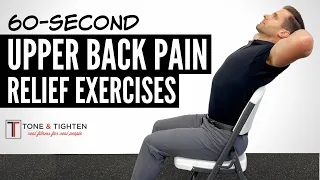
Related fitness articles
See all
Shoulder pain in weight training: prevention and solutions
Risk of injuries

What is the best training structure?
Muscle gain

Lose weight fast: effective and safe methods
Diet

Dietary supplements: what should you know?
Health

Cardio and strength training: how to avoid interference
Weight loss
Supplements taken wrong: mistakes that cancel their effects
Dietary supplements

High-calorie foods: why choose them?
Muscle gain
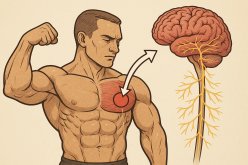
Mind-muscle connection: the key to effective training
Muscle gain
Recommended by our experts
Receive your personalized program
Stop training at random.
Get my program- Program tailored to your profile
- Guided progression
- Compatible with your equipment
- Structured plan
Our coach prepares your program
Get my program