TRX Crossing Balance Lunge
Demonstration video

Recommended by our experts
Receive your personalized program
Stop training at random.
Get my program- Program tailored to your profile
- Guided progression
- Compatible with your equipment
- Structured plan
Our coach prepares your program
Get my programHow to do TRX Crossing Balance Lunge
Instructions
- Stand facing the anchor point holding the TRX handles with arms extended.
- Shift weight to one leg and cross the other leg diagonally behind into a curtsy lunge.
- Lower the back knee toward the floor while keeping the front knee aligned over the foot.
- Maintain tension in the TRX straps throughout the movement.
- Push through the front heel to return to the starting position.
Technical Tips
- Keep your chest up and shoulders back during the lunge.
- Engage your core to maintain balance and control.
- Avoid letting the front knee collapse inward.
Breathing Tips
- Inhale as you lower into the lunge.
- Exhale as you push back up to the starting position.
Medical restrictions
- Knee instability or injury
- Severe hip joint issues
- Balance disorders
- Post-operative lower body recovery
Description
The TRX Crossing Balance Lunge is a suspension-based unilateral lower body exercise that emphasizes strength, stability, and coordination. By integrating the curtsy lunge pattern with TRX suspension straps, this movement targets the glutes and quadriceps while enhancing joint stability and muscular balance. The rear crossover motion increases the recruitment of the gluteus medius and adductors, helping to strengthen the hips and improve knee tracking. Additionally, the need for balance control and postural alignment engages the core throughout the exercise.
Ideal for intermediate fitness levels, this lunge variation reduces impact on the knees by distributing load through controlled deceleration and proper alignment. It is commonly used in functional training, rehabilitation, and sports conditioning due to its multiplanar engagement and demand for proprioceptive control. TRX Crossing Balance Lunges are particularly beneficial for individuals seeking to improve lower body symmetry, coordination, and joint stability.
Whether used as part of a dynamic warm-up, strength circuit, or stability drill, this exercise is a highly effective tool for developing functional strength with minimal equipment, making it suitable for home and gym training environments alike.
Frequently asked questions
-
What muscles do TRX Crossing Balance Lunges work?
TRX Crossing Balance Lunges primarily target the glutes and quadriceps, while also engaging the hamstrings, adductors, and core for balance and stability. -
Is the TRX Crossing Balance Lunge good for improving balance?
Yes, the TRX Crossing Balance Lunge is highly effective for improving balance as it challenges unilateral stability and engages core and hip stabilizers throughout the movement. -
Can beginners do the TRX Crossing Balance Lunge?
Beginners can attempt this exercise with caution, but it's recommended to first build proficiency with basic TRX lunges to develop the strength and balance required for the crossing variation. -
Is TRX Crossing Balance Lunge safe for people with knee pain?
Individuals with knee pain should consult a medical professional before performing this exercise, as the curtsy motion can increase medial knee stress if not executed properly.
Variants and alternatives
See all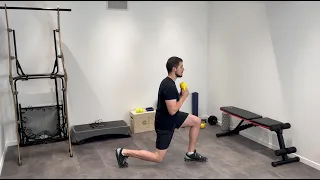
Kettlebell goblet pulse lunge
Intermediate
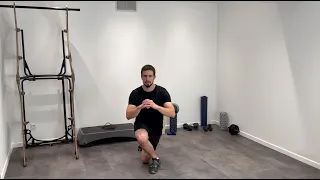
Curtsy lunge
Intermediate
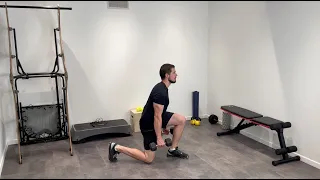
Dumbbell jumping lunge
Advanced
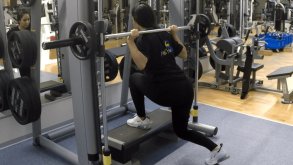
Smith machine front lunge with step
Intermediate
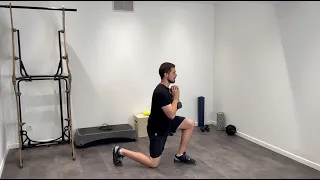
Goblet lunge
Intermediate
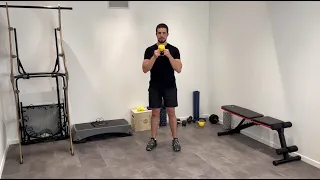
Kettlebell goblet curtsy lunge
Intermediate
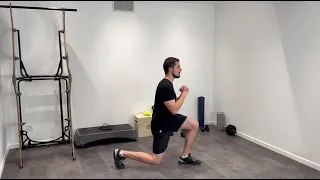
Pulse lunge
Intermediate
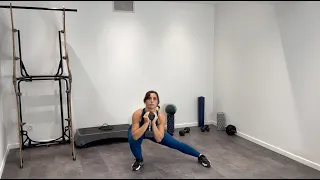
Dumbbell goblet lateral lunge
Intermediate
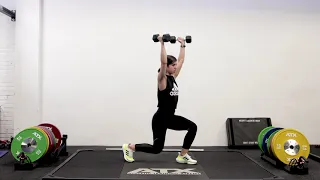
Dumbbell overhead walking lunge
Advanced

Side lunges
Intermediate
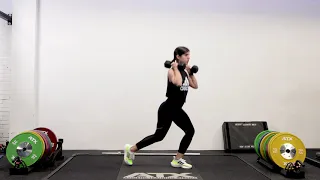
Dumbbell front rack walking lunge
Intermediate
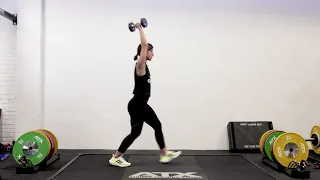
Single-arm dumbbell overhead lunge
Intermediate
Related fitness articles
See all
Shoulder pain in weight training: prevention and solutions
Risk of injuries

What is the best training structure?
Muscle gain

Lose weight fast: effective and safe methods
Diet

Dietary supplements: what should you know?
Health

Cardio and strength training: how to avoid interference
Weight loss

Supplements taken wrong: mistakes that cancel their effects
Dietary supplements

High-calorie foods: why choose them?
Muscle gain
Mind-muscle connection: the key to effective training
Muscle gain
Recommended by our experts
Receive your personalized program
Stop training at random.
Get my program- Program tailored to your profile
- Guided progression
- Compatible with your equipment
- Structured plan
Our coach prepares your program
Get my program