Bar Muscle-Up
Demonstration video

Recommended by our experts
Receive your personalized program
Stop training at random.
Get my program- Program tailored to your profile
- Guided progression
- Compatible with your equipment
- Structured plan
Our coach prepares your program
Get my programHow to do Bar Muscle-Up
Instructions
- Start hanging from a pull-up bar with a grip slightly wider than shoulder-width.
- Engage your core and initiate a powerful pull, bringing your chest to the bar.
- As your upper chest reaches the bar, transition by pulling your torso over the bar.
- Push down on the bar to press your body up into a dip position.
- Lock out your elbows at the top and stabilize briefly.
- Lower yourself with control back to the starting hang position and repeat.
Technical Tips
- Use a strong hip drive or kip if performing a dynamic version.
- Keep your core tight to maintain body control during the transition.
- Pull the bar towards your hips rather than straight up.
- Focus on a smooth transition from pull-up to dip for efficiency.
Breathing Tips
- Inhale while hanging before the pull.
- Exhale forcefully during the explosive pull and transition.
- Inhale again while returning to the starting position.
Medical restrictions
- Shoulder instability or impingement
- Rotator cuff injuries
- Elbow or wrist tendinopathies
- Thoracic spine mobility limitations
Description
The Bar Muscle-Up is a compound, bodyweight-based gymnastic exercise that combines a pull-up and a dip into one fluid movement. Popular in calisthenics, CrossFit, and functional strength programs, the bar muscle-up requires explosive upper-body power, coordination, and skill. Athletes must generate enough upward momentum to transition from a hanging position below the bar to a locked-out position above it. This high-level skill promotes advanced pulling strength, shoulder and elbow stability, and control across a wide range of motion. Bar muscle-ups also improve body awareness and dynamic athleticism, making them ideal for performance-focused individuals seeking functional upper-body strength and gymnastic proficiency. As both a strength and skill movement, the bar muscle-up is an essential progression for those looking to master advanced calisthenics or CrossFit movements.
Frequently asked questions
-
What is the difference between a pull-up and a muscle-up?
A pull-up ends when your chin passes the bar, while a muscle-up continues by transitioning over the bar and finishing in a dip position. -
Do I need to kip to do a bar muscle-up?
Kipping can help generate momentum, especially for beginners, but strict muscle-ups require advanced strength and control. -
What muscles do bar muscle-ups work?
Bar muscle-ups primarily target the back and shoulders while also engaging the biceps, triceps, core, and chest during the transition and push phases. -
Are bar muscle-ups safe for the shoulders?
When performed with proper technique and adequate strength, bar muscle-ups are safe; however, pre-existing shoulder issues should be addressed first. -
How can I train to get my first muscle-up?
Build pulling strength with chest-to-bar pull-ups and dips, improve core stability, and practice explosive transitions with band-assisted muscle-ups.
Variants and alternatives
See all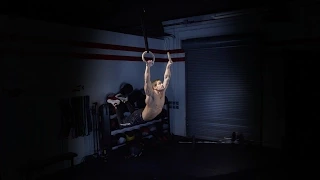
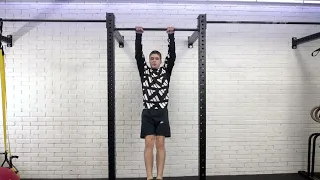
Related fitness articles
See all
Shoulder pain in weight training: prevention and solutions
Risk of injuries

What is the best training structure?
Muscle gain

Lose weight fast: effective and safe methods
Diet

Dietary supplements: what should you know?
Health

Cardio and strength training: how to avoid interference
Weight loss
Supplements taken wrong: mistakes that cancel their effects
Dietary supplements

High-calorie foods: why choose them?
Muscle gain
Mind-muscle connection: the key to effective training
Muscle gain
Recommended by our experts
Receive your personalized program
Stop training at random.
Get my program- Program tailored to your profile
- Guided progression
- Compatible with your equipment
- Structured plan
Our coach prepares your program
Get my program