Pulse Air Squat
Demonstration video

Recommended by our experts
Receive your personalized program
Stop training at random.
Get my program- Program tailored to your profile
- Guided progression
- Compatible with your equipment
- Structured plan
Our coach prepares your program
Get my programHow to do Pulse Air Squat
Instructions
- Stand with your feet shoulder-width apart, toes slightly turned out.
- Lower into a squat position until your thighs are parallel to the floor.
- From the bottom position, perform small pulses up and down without standing fully.
- Maintain a controlled and rhythmic motion during the pulses.
- Complete the desired number of repetitions and then return to standing.
Technical Tips
- Keep your chest lifted and spine neutral throughout the movement.
- Engage your core and glutes to maintain stability.
- Ensure your knees stay aligned with your toes during the squat.
- Avoid bouncing or losing control during the pulses.
Breathing Tips
- Inhale as you lower into the squat.
- Exhale gently during each pulse.
- Inhale before returning to standing after the final pulse.
Medical restrictions
- Knee joint injuries
- Hip mobility limitations
- Lower back pain or spinal disc conditions
- Severe arthritis in lower extremities
Description
The Pulse Air Squat is a dynamic variation of the traditional air squat that enhances muscular endurance, stability, and time-under-tension in the lower body. This exercise is performed using only body weight, making it highly accessible and equipment-free. Unlike standard squats that involve full range of motion repetitions, the pulse squat focuses on small, controlled movements at the bottom of the squat position. This constant engagement creates a sustained contraction in the quadriceps, glutes, and supporting stabilizers, intensifying the training effect. It's a popular choice for functional training routines, HIIT circuits, and lower body endurance sessions. Pulse Air Squats are ideal for beginners seeking to build foundational strength, as well as experienced athletes looking to add intensity without increasing load. They're also beneficial for warming up the lower body or as a burnout finisher. Easy to integrate into any fitness program, this movement helps improve muscular tone, joint resilience, and control. As a versatile and effective bodyweight exercise, the Pulse Air Squat contributes significantly to lower limb strength and conditioning.
Frequently asked questions
-
What muscles do pulse air squats target?
Pulse air squats primarily target the quadriceps and glutes, while also engaging the hamstrings, adductors, and calves for stabilization and support. -
Can I do pulse squats every day?
Pulse squats can be done daily if intensity and volume are managed properly, but it's best to allow muscle recovery with at least one rest day between sessions. -
Are pulse air squats good for building muscle?
Yes, pulse air squats are effective for building muscle endurance and toning, especially when used in high-repetition sets or as part of a hypertrophy circuit. -
Is this exercise safe for beginners?
Yes, pulse air squats are beginner-friendly, as they require no equipment and allow users to develop control, balance, and lower body strength safely. -
How are pulse squats different from regular squats?
Pulse squats involve small, continuous movements at the bottom of the squat, increasing time under tension, while regular squats involve full range of motion repetitions.
Variants and alternatives
See all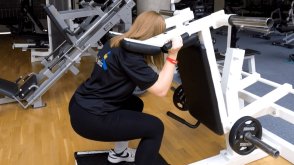
Reverse v-squat machine
Intermediate
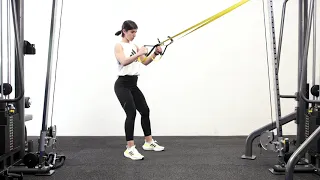
Trx squat
Beginner
Barbell hack squat
Intermediate
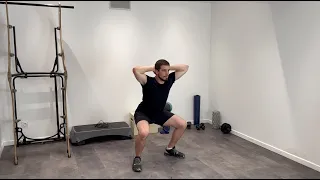
Cobra squat hold
Intermediate
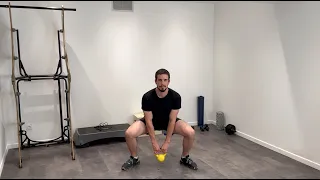
Kettlebell pulse squat
Intermediate
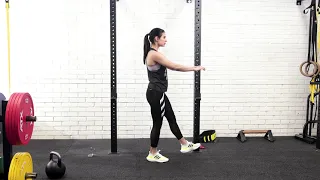
Pistol (one legged squat)
Advanced
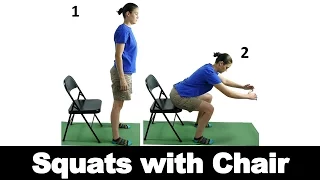
Squat to chair
Beginner
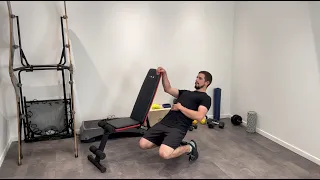
Sissy squat
Advanced
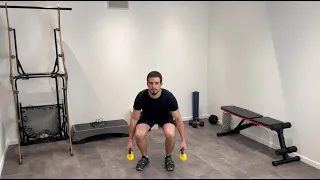
Kettlebell jumping squat
Intermediate
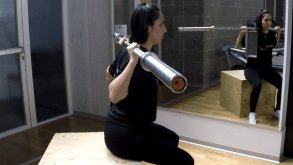
Box squat with barbell
Intermediate
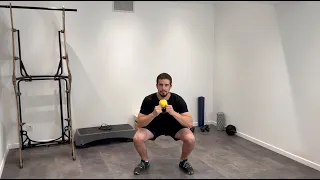
Kettlebell goblet squat
Beginner
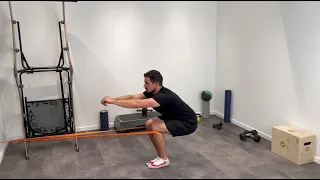
Banded sissy squats
Advanced
Related fitness articles
See all
Shoulder pain in weight training: prevention and solutions
Risk of injuries
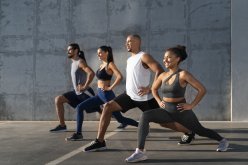
What is the best training structure?
Muscle gain

Lose weight fast: effective and safe methods
Diet

Dietary supplements: what should you know?
Health

Cardio and strength training: how to avoid interference
Weight loss
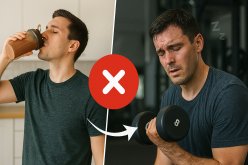
Supplements taken wrong: mistakes that cancel their effects
Dietary supplements

High-calorie foods: why choose them?
Muscle gain
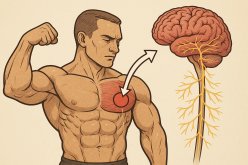
Mind-muscle connection: the key to effective training
Muscle gain
Recommended by our experts
Receive your personalized program
Stop training at random.
Get my program- Program tailored to your profile
- Guided progression
- Compatible with your equipment
- Structured plan
Our coach prepares your program
Get my program