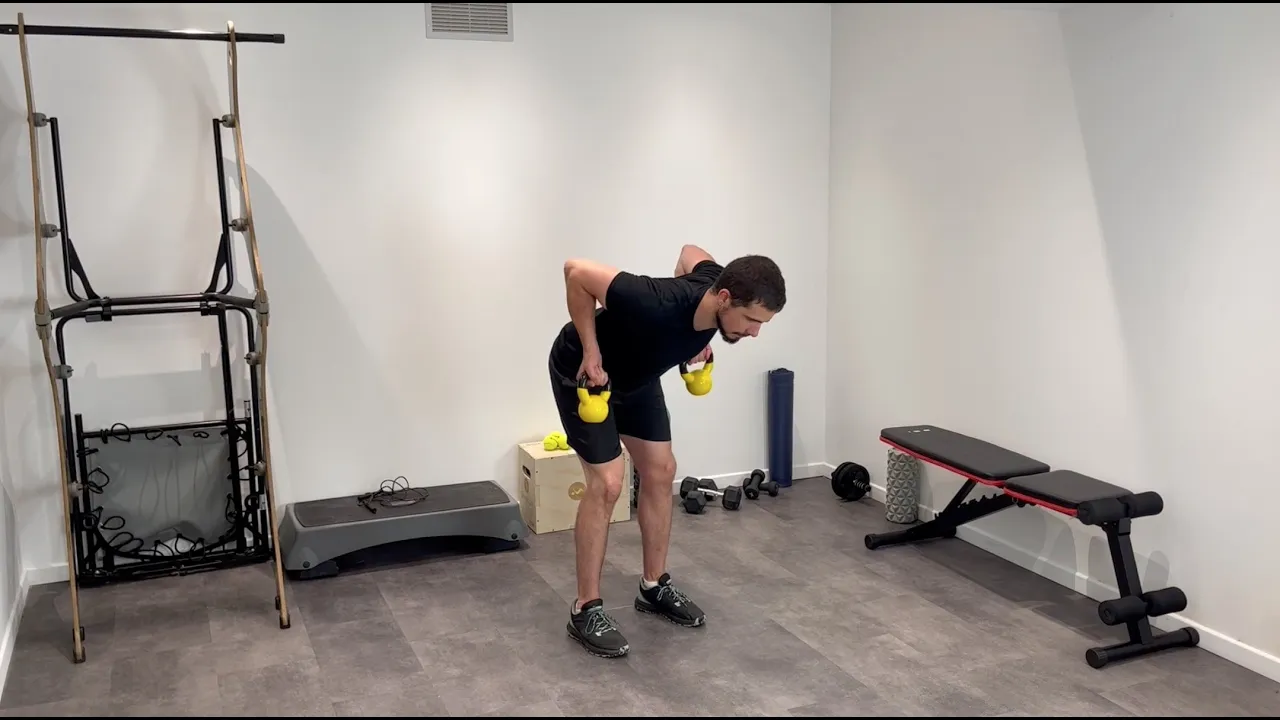
Kettlebell Supination Row
Demonstration video
Recommended by our experts
Receive your personalized program
Stop training at random.
Get my program- Program tailored to your profile
- Guided progression
- Compatible with your equipment
- Structured plan
Our coach prepares your program
Get my programHow to do Kettlebell Supination Row
Instructions
- Stand with feet hip-width apart, holding a kettlebell in each hand using a supinated grip (palms facing forward).
- Hinge at the hips and bend your knees slightly, keeping your back flat and chest up.
- Pull the kettlebells toward your waist while squeezing your shoulder blades together.
- Pause briefly at the top of the movement.
- Lower the kettlebells slowly to the starting position with control.
Technical Tips
- Keep your elbows close to your body throughout the movement.
- Avoid rounding your back; maintain a neutral spine.
- Do not jerk the weights; use controlled movement to engage the muscles properly.
Breathing Tips
- Inhale as you lower the kettlebells to the starting position.
- Exhale as you pull the kettlebells toward your waist.
Medical restrictions
- Avoid if experiencing lower back pain or injury.
- Use caution with shoulder impingement or biceps tendonitis.
Description
The Kettlebell Supination Row is a compound upper-body exercise designed to enhance back and biceps strength using a supinated (underhand) grip. By changing the wrist position, this variation increases the activation of the biceps, particularly the short head, while still engaging the larger muscles of the back, such as the latissimus dorsi and rhomboids. The movement also improves posture and scapular stability due to its emphasis on controlled pulling mechanics. Ideal for individuals seeking balanced muscle development and improved pulling strength, the Kettlebell Supination Row offers an effective alternative to traditional overhand rows. It can be integrated into strength training, bodybuilding, or functional fitness routines. The exercise requires minimal equipment and is suitable for home or gym use, making it highly accessible. Its unilateral nature—working one side at a time—also helps correct muscular imbalances and improves coordination. When executed with proper form, it supports overall upper-body hypertrophy and strength gains while minimizing joint stress.
Frequently asked questions
-
What muscles do kettlebell supination rows work?
Kettlebell supination rows primarily work the biceps and back muscles, especially the lats, rhomboids, and biceps short head due to the underhand grip. -
Is the kettlebell supination row good for biceps growth?
Yes, the supinated grip emphasizes biceps activation, making it an excellent variation to target and grow the biceps alongside the back. -
Can I do kettlebell supination rows at home?
Absolutely. You only need a pair of kettlebells and enough space to hinge at the hips, making it a convenient home workout option. -
What's the difference between a normal row and a supination row?
A supination row uses an underhand grip, which increases biceps involvement compared to the traditional overhand grip in standard rows. -
Should I do kettlebell supination rows one arm at a time?
Yes, performing them unilaterally helps improve muscle balance and ensures proper form and engagement on both sides.
Variants and alternatives
See all
Smith machine bent-over row
Intermediate

One-arm dumbbell row
Intermediate
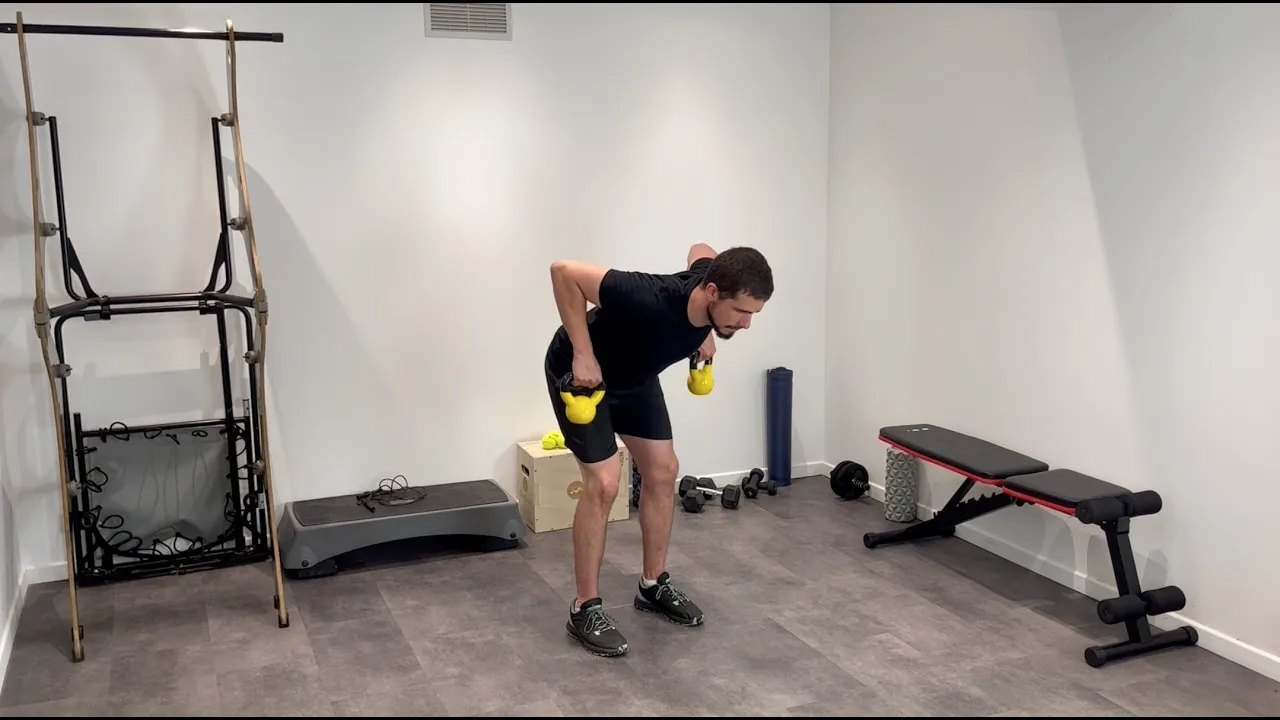
Kettlebell pronated row
Intermediate
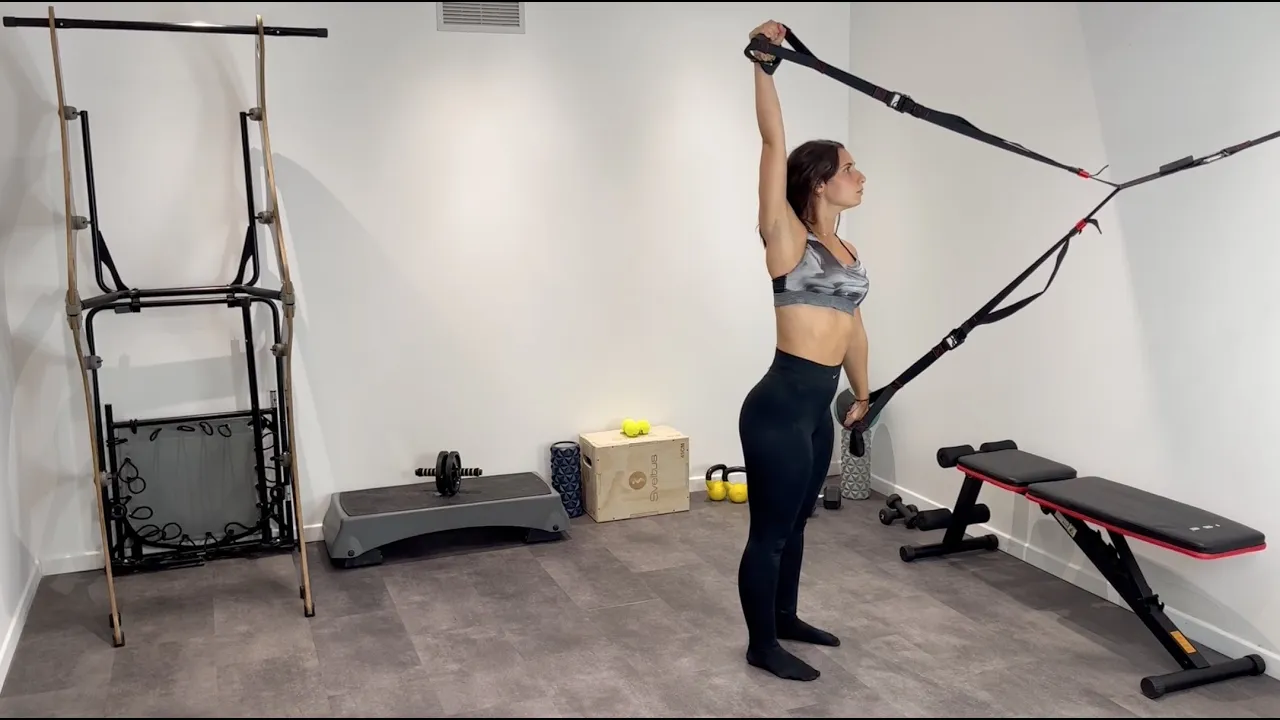
Trx alligator pull
Intermediate
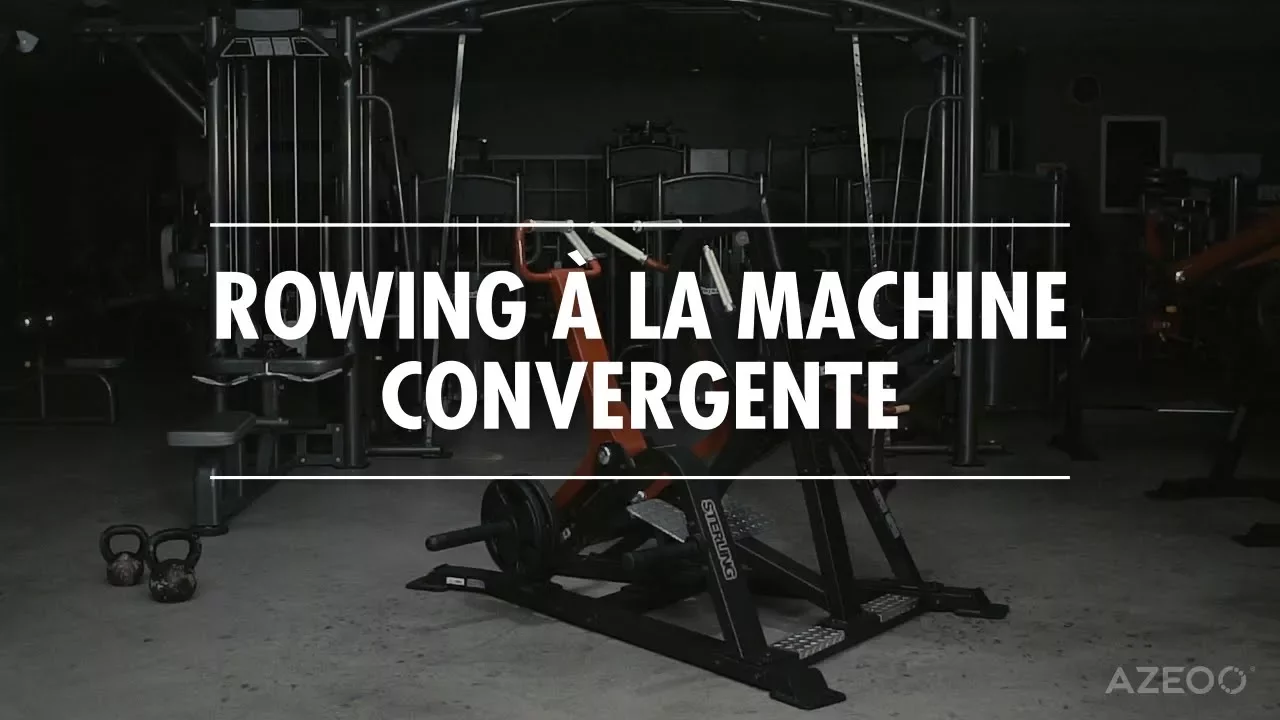
Converging seated row machine
Beginner
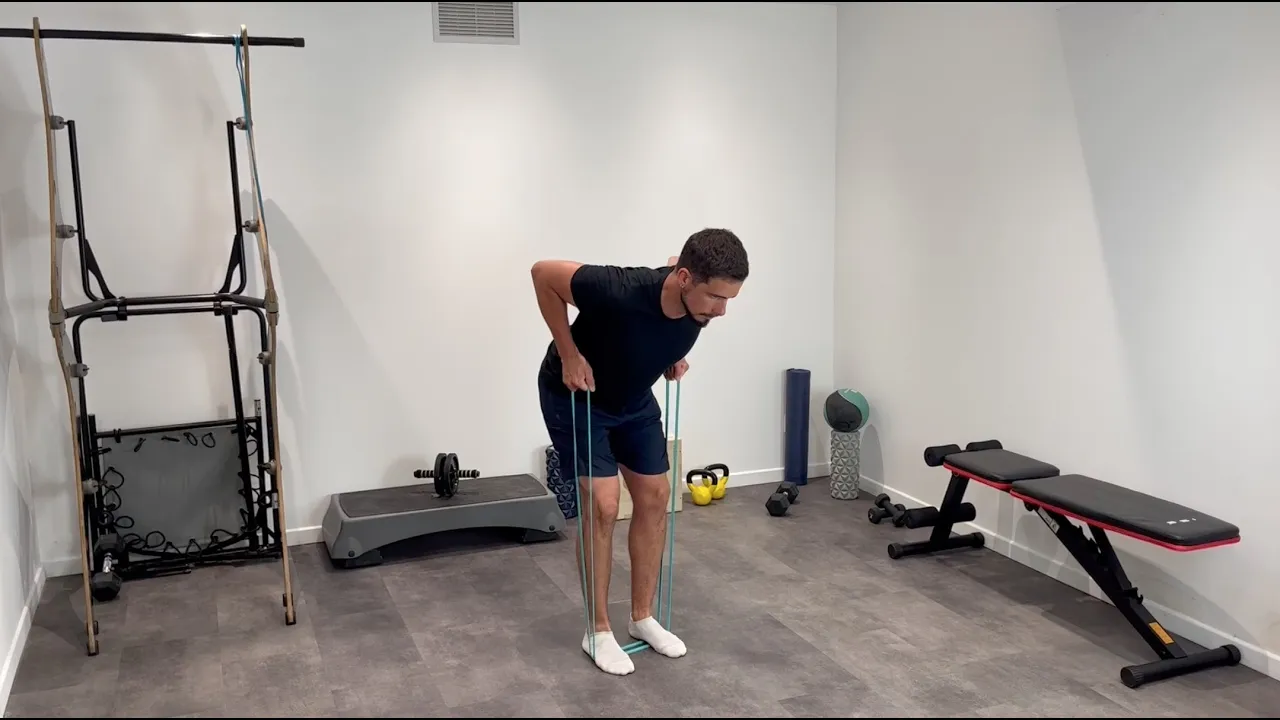
Band row
Beginner

T-bar row
Intermediate
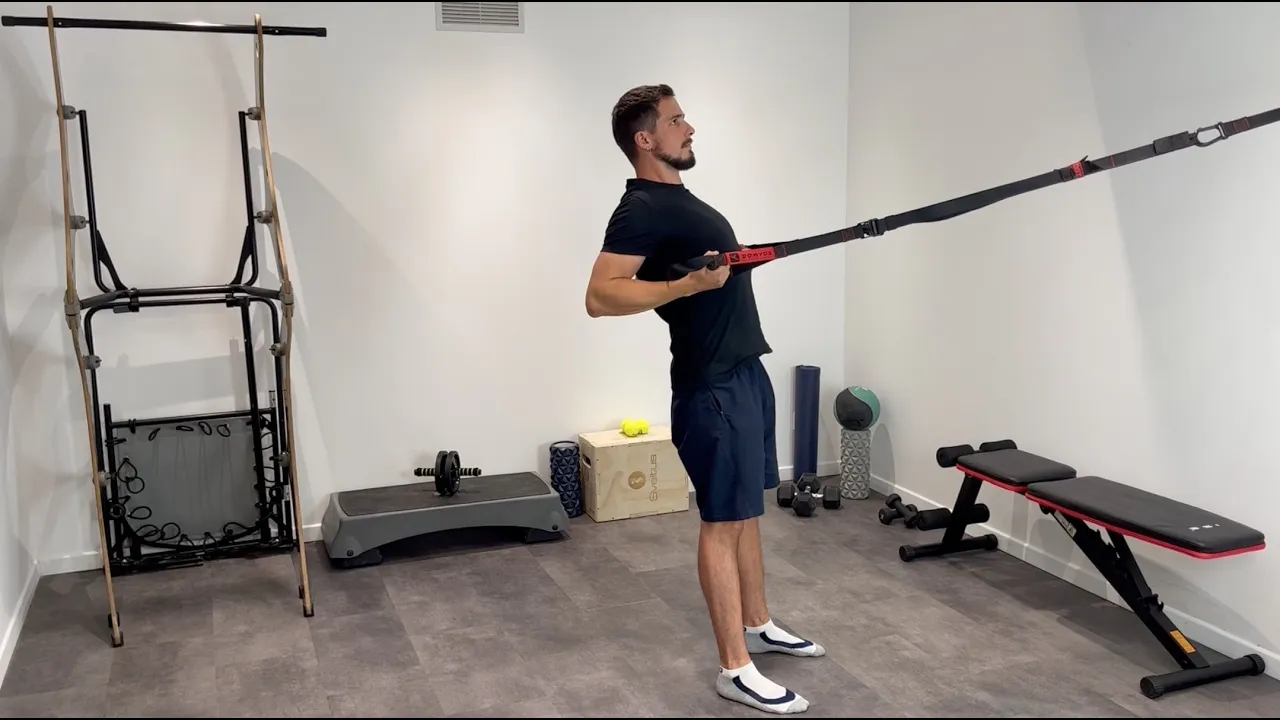
Trx row with forearm rotation
Intermediate
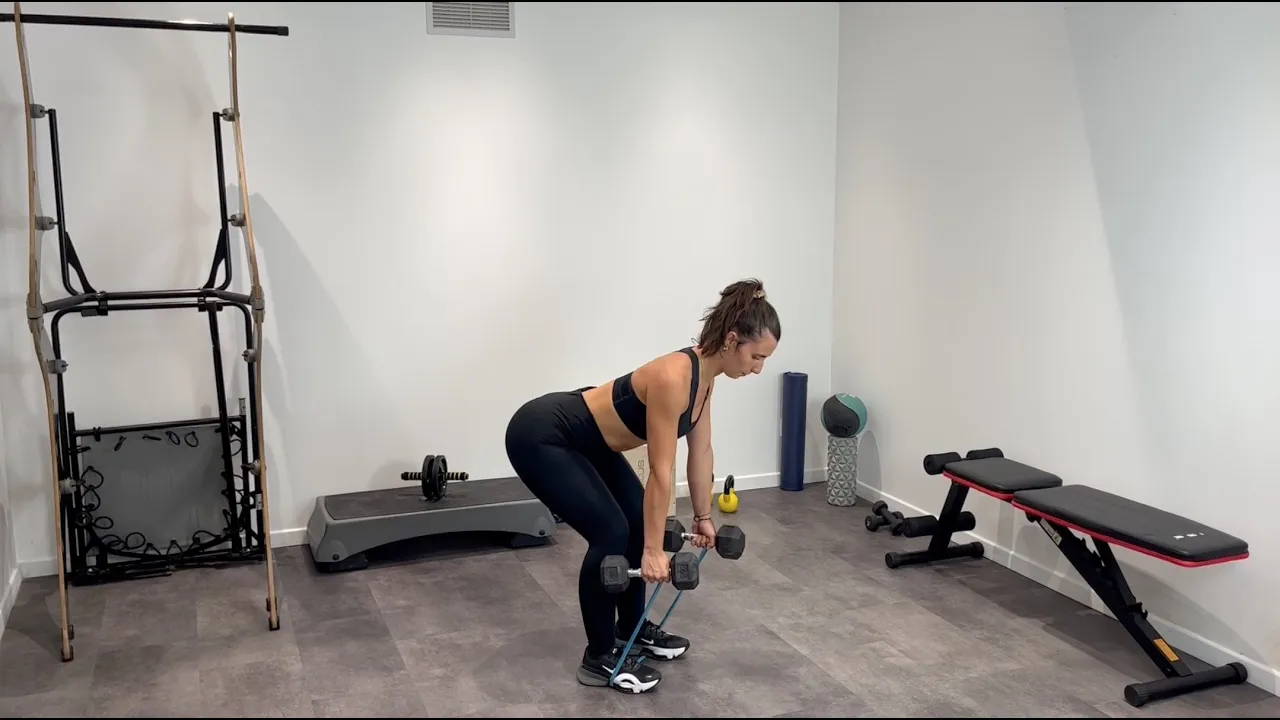
Banded neutral row with dumbbells
Intermediate
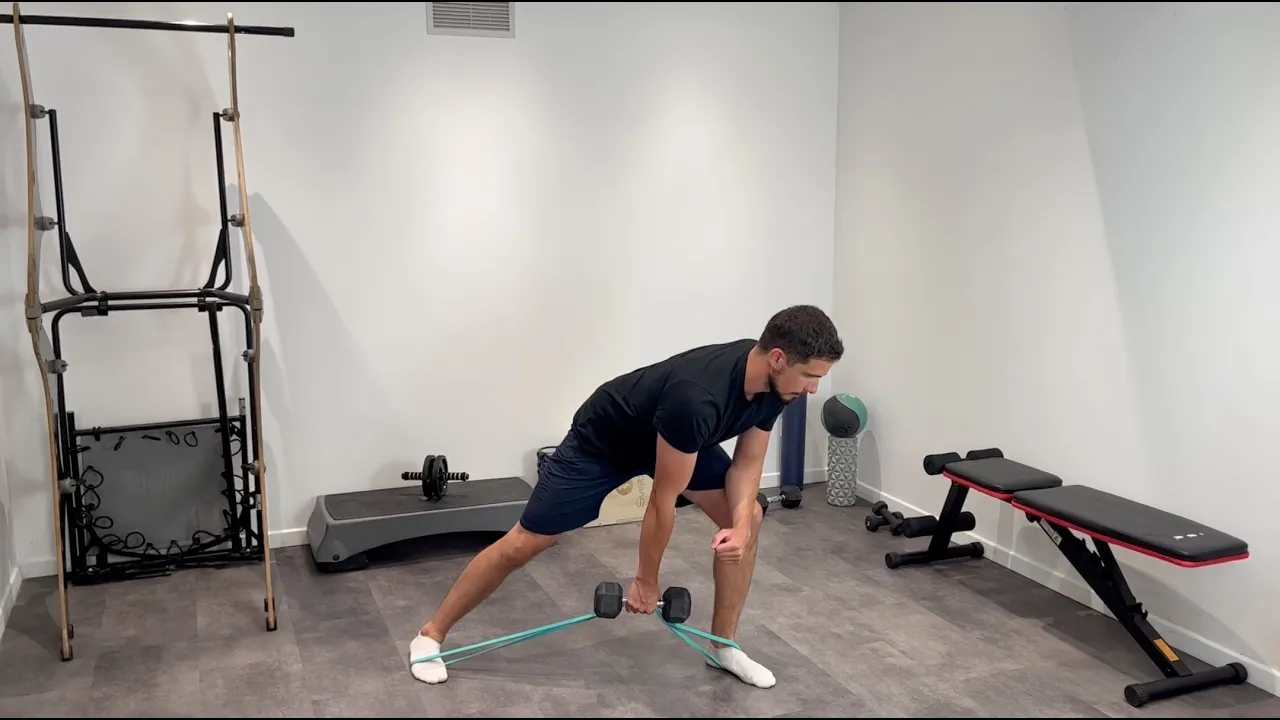
Banded chainsaw dumbbell row
Intermediate

Barbell bent-over row
Intermediate
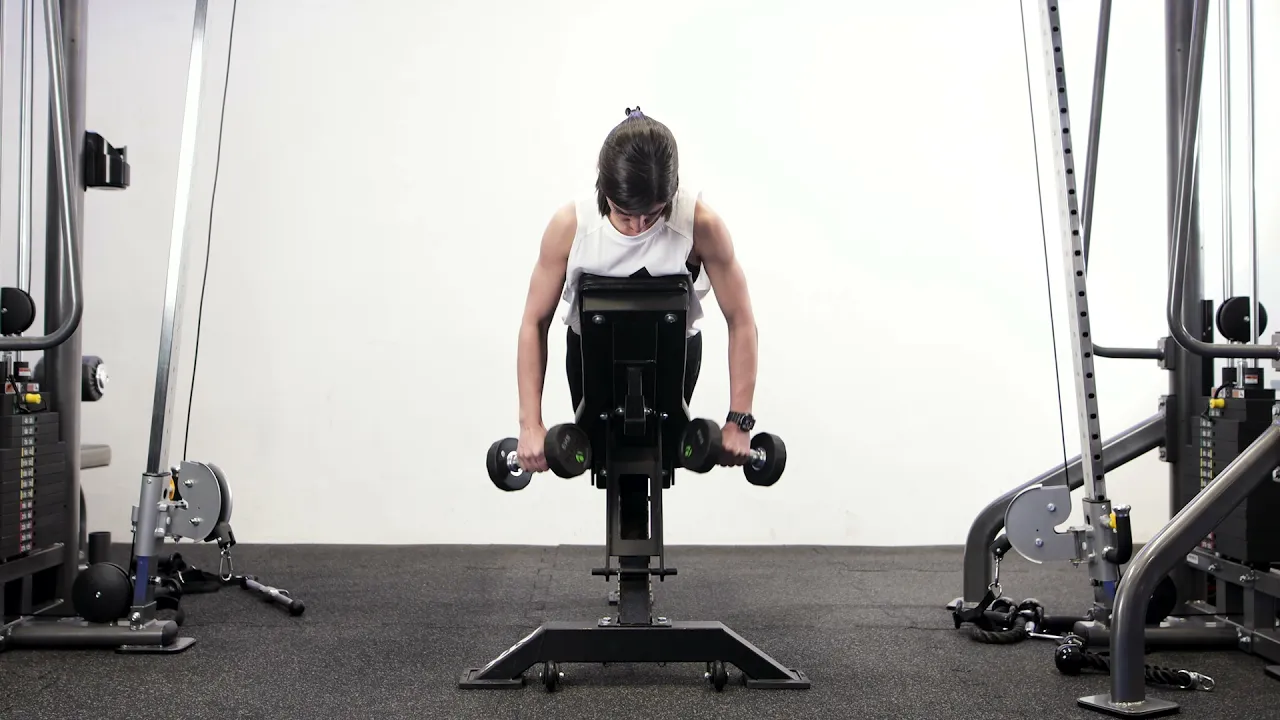
Dumbbell incline row
Intermediate
Related fitness articles
See all
Shoulder pain in weight training: prevention and solutions
Risk of injuries
What is the best training structure?
Muscle gain

Lose weight fast: effective and safe methods
Diet

Dietary supplements: what should you know?
Health

Cardio and strength training: how to avoid interference
Weight loss

Supplements taken wrong: mistakes that cancel their effects
Dietary supplements

High-calorie foods: why choose them?
Muscle gain

Mind-muscle connection: the key to effective training
Muscle gain
Recommended by our experts
Receive your personalized program
Stop training at random.
Get my program- Program tailored to your profile
- Guided progression
- Compatible with your equipment
- Structured plan
Our coach prepares your program
Get my program