Spider Plank
Demonstration video

Recommended by our experts
Receive your personalized program
Stop training at random.
Get my program- Program tailored to your profile
- Guided progression
- Compatible with your equipment
- Structured plan
Our coach prepares your program
Get my programHow to do Spider Plank
Instructions
- Start in a high plank position with hands under shoulders and body aligned.
- Engage your core and bring your right knee towards your right elbow.
- Return to the starting plank position.
- Repeat the movement with your left knee towards your left elbow.
- Continue alternating sides for the set duration.
Technical Tips
- Keep hips level and avoid sagging or rotating.
- Maintain a straight line from head to heels.
- Move the knee slowly and with control.
Breathing Tips
- Inhale while in the plank position.
- Exhale as you bring the knee towards the elbow.
- Inhale when returning to starting position.
Medical restrictions
- Avoid if you have wrist pain or carpal tunnel syndrome.
- Not recommended with lower back injuries.
- Avoid if recovering from abdominal surgery.
Description
The Spider Plank is a dynamic bodyweight exercise that challenges core strength, stability, and coordination. Unlike a traditional plank, this variation involves actively drawing one knee toward the elbow, which increases engagement of the abdominal muscles while also working the obliques. This added movement makes the Spider Plank an excellent option for enhancing rotational control and improving overall athletic performance.
This exercise is particularly effective for individuals who want to progress from static core training to more functional, movement-based patterns. By requiring the body to stabilize while one leg is lifted, the Spider Plank also activates the glutes, shoulders, and supporting muscles of the back. It trains the body to resist unwanted rotation, which is essential for sports performance and daily movement efficiency.
The Spider Plank can be used in strength circuits, conditioning routines, or as part of a warm-up to activate the core before heavier lifting sessions. Since it does not require any equipment beyond a yoga mat, it is accessible and versatile, making it suitable for home workouts or travel training. Incorporating this exercise regularly can improve posture, core endurance, and functional strength, helping to reduce the risk of lower back discomfort and improve overall movement quality.
Frequently asked questions
-
What muscles does the Spider Plank work?
The Spider Plank primarily targets the core muscles, especially the abs and obliques, while also engaging the shoulders, glutes, and quadriceps for stability. -
Is the Spider Plank good for beginners?
The Spider Plank is considered an intermediate exercise. Beginners can start with a basic plank before progressing to this variation for improved core strength and control. -
How long should I hold the Spider Plank?
The Spider Plank is best performed for time, typically 20 to 45 seconds per set, depending on your fitness level and overall routine. -
Can I do the Spider Plank every day?
Yes, the Spider Plank can be included in daily workouts as long as you maintain proper form and listen to your body to avoid overtraining the core and wrists. -
What is the difference between a Spider Plank and a regular plank?
A regular plank is a static hold, while the Spider Plank adds dynamic knee-to-elbow movement, which increases core activation and improves stability and coordination.
Variants and alternatives
See all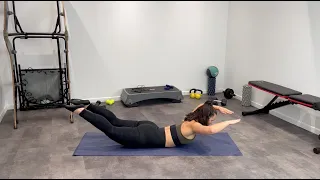
Superman plank
Intermediate
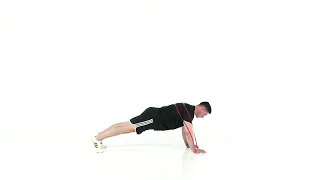
Banded plank
Intermediate
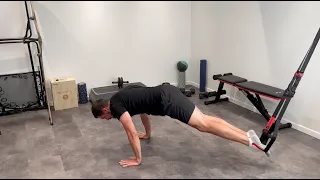
Trx pendulum swing
Intermediate
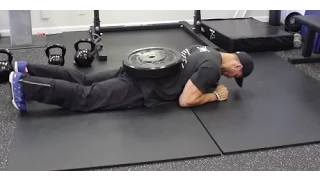
Weighted plank
Intermediate
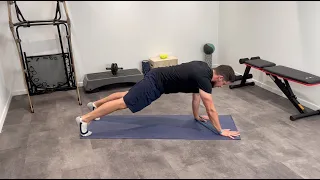
Full plank with hand slide
Intermediate
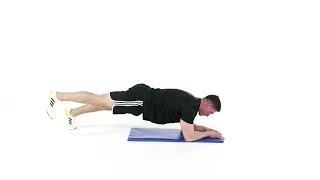
One-leg plank
Intermediate
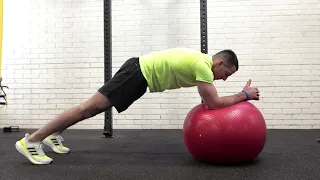
Swiss ball plank
Intermediate
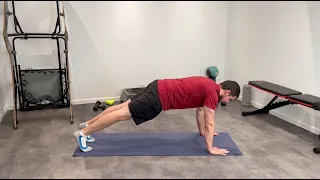
Planks on hands
Beginner
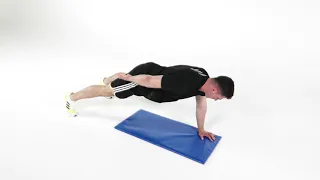
One arm plank
Advanced

Side plank on knees
Beginner
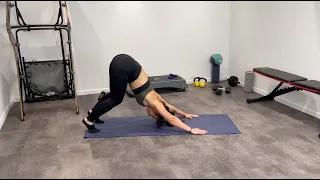
Plank to down dog
Beginner
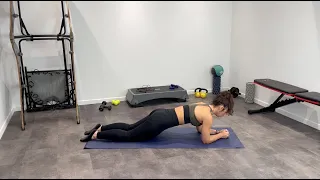
Plank on knees
Beginner
Related fitness articles
See all
Shoulder pain in weight training: prevention and solutions
Risk of injuries

What is the best training structure?
Muscle gain

Lose weight fast: effective and safe methods
Diet

Dietary supplements: what should you know?
Health

Cardio and strength training: how to avoid interference
Weight loss

Supplements taken wrong: mistakes that cancel their effects
Dietary supplements

High-calorie foods: why choose them?
Muscle gain
Mind-muscle connection: the key to effective training
Muscle gain
Recommended by our experts
Receive your personalized program
Stop training at random.
Get my program- Program tailored to your profile
- Guided progression
- Compatible with your equipment
- Structured plan
Our coach prepares your program
Get my program