Burpee Pull-Up
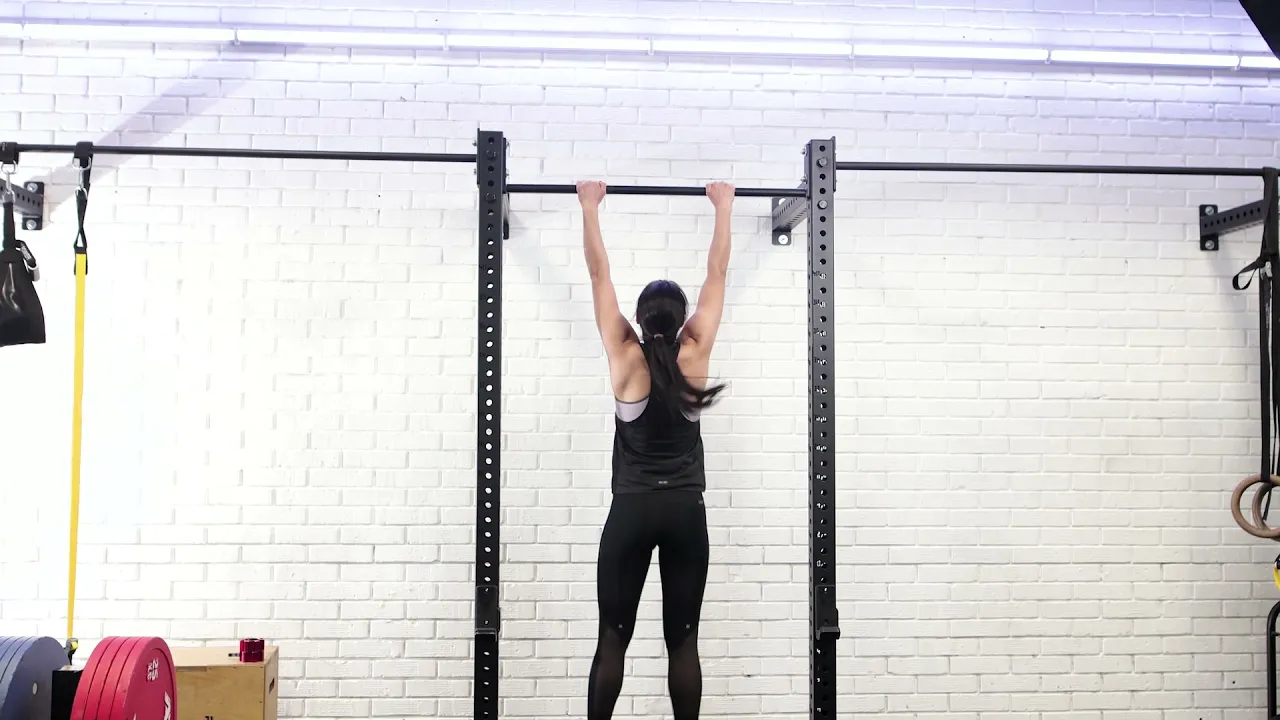
Demonstration video
Recommended by our experts
Receive your personalized program
Stop training at random.
Get my program- Program tailored to your profile
- Guided progression
- Compatible with your equipment
- Structured plan
Our coach prepares your program
Get my programHow to do Burpee Pull-Up
Instructions
- Stand under a pull-up bar with feet shoulder-width apart.
- Drop into a squat position and place your hands on the ground.
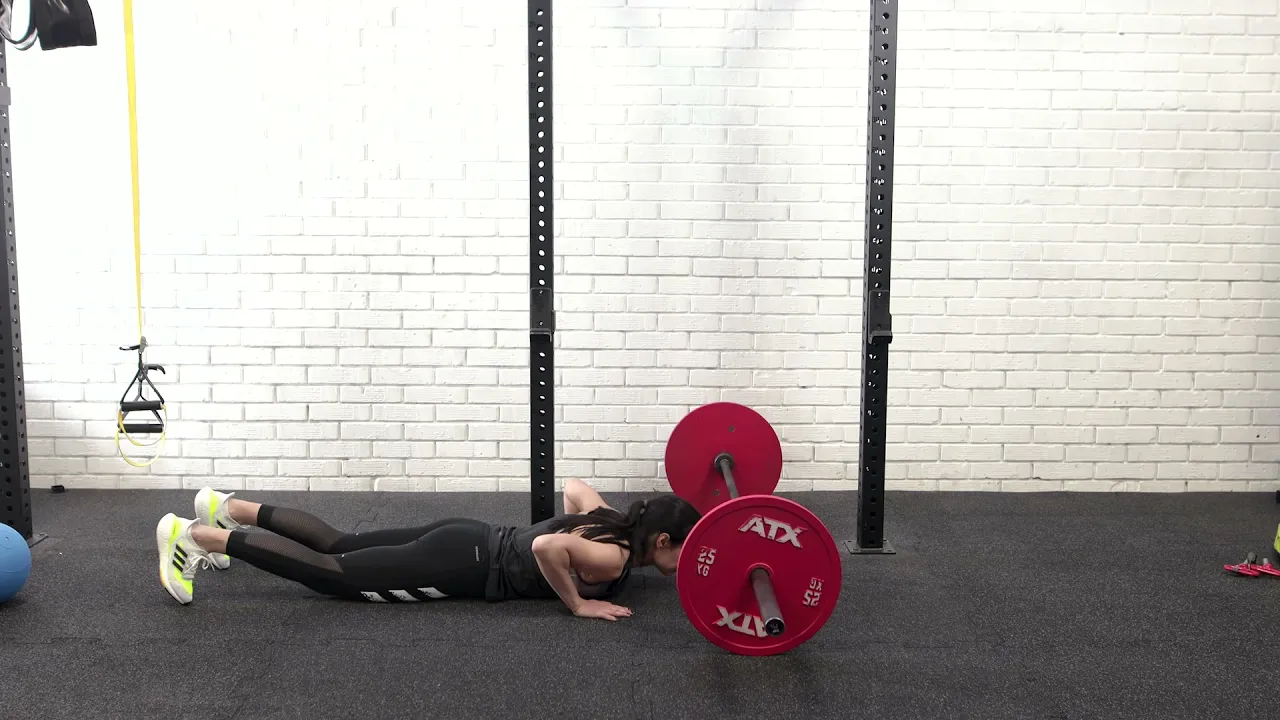
- Kick your feet back into a push-up position and perform a push-up.
- Jump your feet forward to return to the squat position.
- Explosively jump up and grab the pull-up bar.
- Perform a pull-up by pulling your chin above the bar.
- Lower yourself under control and drop back to the ground.
- Repeat the sequence for the desired number of repetitions.
Technical Tips
- Engage your core throughout the entire movement.
- Use a controlled descent when lowering from the pull-up.
- Land softly to reduce joint impact during the drop.
- Avoid swinging or kipping during the pull-up portion.
Breathing Tips
- Inhale before initiating the burpee.
- Exhale as you jump up and perform the pull-up.
- Inhale during the descent from the pull-up.
- Exhale upon returning to the ground.
Medical restrictions
- Shoulder impingement or rotator cuff injuries
- Wrist or elbow joint pain
- Lower back disorders
- Knee instability or recent knee surgery
- Cardiovascular conditions restricting high-intensity effort
Description
The Burpee Pull-Up is a high-intensity, full-body compound exercise that combines the explosive movement of a burpee with the upper-body strength challenge of a pull-up. Designed for advanced trainees, this exercise enhances cardiovascular endurance, muscular strength, and coordination simultaneously. By integrating a dynamic lower-body plyometric with a vertical pulling action, the Burpee Pull-Up engages multiple muscle groups and accelerates metabolic demand. It’s especially popular in functional fitness, CrossFit, and athletic conditioning programs due to its capacity to mimic real-life movement patterns while boosting both power and stamina. Whether performed as part of a conditioning circuit or as a standalone challenge, this exercise is a powerful addition to any high-intensity training regimen.
Frequently asked questions
-
What muscles do Burpee Pull-Ups work?
Burpee Pull-Ups work the entire body, with emphasis on the quadriceps, back, biceps, and shoulders. They also engage the glutes, hamstrings, and core for stability and control. -
Are Burpee Pull-Ups good for fat loss?
Yes, Burpee Pull-Ups are excellent for fat loss due to their high-intensity, full-body nature, which significantly increases calorie burn and boosts metabolic rate post-exercise. -
How high should the pull-up bar be for Burpee Pull-Ups?
The pull-up bar should be high enough that you must jump to reach it but not so high that it compromises safety or control during the exercise. -
Can beginners do Burpee Pull-Ups?
Burpee Pull-Ups are considered advanced; beginners should first master standard burpees and pull-ups separately before combining them into a single movement. -
How many Burpee Pull-Ups should I do?
For conditioning, aim for 3–5 sets of 5–10 repetitions, adjusting based on your fitness level and training goals.
Variants and alternatives
See all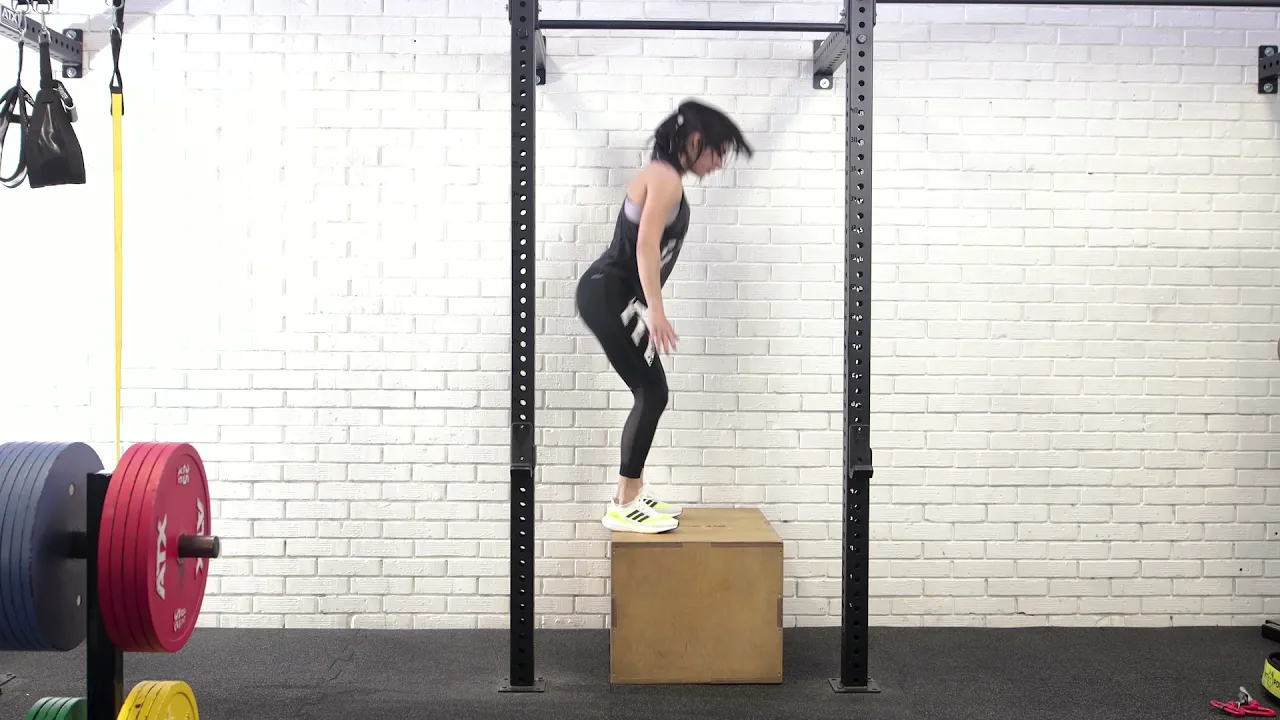

Related fitness articles
See all
Shoulder pain in weight training: prevention and solutions
Risk of injuries

What is the best training structure?
Muscle gain

Lose weight fast: effective and safe methods
Diet

Dietary supplements: what should you know?
Health

Cardio and strength training: how to avoid interference
Weight loss

Supplements taken wrong: mistakes that cancel their effects
Dietary supplements

High-calorie foods: why choose them?
Muscle gain

Mind-muscle connection: the key to effective training
Muscle gain
Recommended by our experts
Receive your personalized program
Stop training at random.
Get my program- Program tailored to your profile
- Guided progression
- Compatible with your equipment
- Structured plan
Our coach prepares your program
Get my program