Dumbbell Jumping Squat
Demonstration video

Recommended by our experts
Receive your personalized program
Stop training at random.
Get my program- Program tailored to your profile
- Guided progression
- Compatible with your equipment
- Structured plan
Our coach prepares your program
Get my programHow to do Dumbbell Jumping Squat
Instructions
- Stand upright holding a dumbbell in each hand at your sides.
- Position your feet shoulder-width apart with toes slightly turned out.
- Lower into a squat by pushing your hips back and bending your knees until thighs are parallel to the floor.
- Explosively jump upward by driving through your heels and extending your hips and knees.
- Land softly back into the squat position and repeat immediately.
Technical Tips
- Maintain a neutral spine throughout the movement.
- Keep your knees aligned with your toes during the squat and landing.
- Engage your core to stabilize your body during the jump and landing.
Breathing Tips
- Inhale as you lower into the squat.
- Exhale explosively as you jump up.
- Inhale quickly upon landing and stabilizing before the next rep.
Medical restrictions
- Avoid if you have knee injuries or instability.
- Not recommended for individuals with lower back pain.
- Use caution if recovering from ankle or hip injuries.
Description
The Dumbbell Jumping Squat is a powerful plyometric exercise that enhances lower body strength, explosiveness, and coordination. By incorporating dumbbells, this variation increases resistance, intensifying muscle engagement in the glutes, quadriceps, and hamstrings. It is commonly used in athletic training and functional fitness routines to improve power output, vertical jump, and dynamic stability. This exercise also elevates the heart rate, making it a valuable addition to high-intensity interval training (HIIT) or metabolic conditioning sessions. Suitable for intermediate to advanced individuals, the Dumbbell Jumping Squat demands precise form and control to optimize results while minimizing injury risk. It serves as an effective tool for athletes, fitness enthusiasts, or anyone aiming to build explosive lower body power and muscular endurance. Incorporating this movement regularly can significantly contribute to athletic performance, agility, and overall physical conditioning.
Frequently asked questions
-
What muscles do dumbbell jumping squats work the most?
Dumbbell jumping squats primarily target the quadriceps and glutes, while also engaging the hamstrings, calves, and core muscles for balance and control. -
Is the dumbbell jumping squat good for building explosive power?
Yes, the dumbbell jumping squat is excellent for building explosive power by combining resistance and plyometric movement, which enhances vertical jump and athletic performance. -
Can I do dumbbell jumping squats without weights?
Yes, you can perform bodyweight jumping squats as a regression or warm-up, which still activates the same muscle groups with less joint impact and load. -
Are dumbbell jumping squats safe for the knees?
Dumbbell jumping squats can be safe for the knees if performed with proper form, controlled landings, and appropriate weight. Individuals with knee issues should consult a professional first. -
How many reps of dumbbell jumping squats should I do?
A typical set ranges from 8 to 12 reps, focusing on form and explosive effort. Adjust the rep count based on your fitness level and training goal.
Variants and alternatives
See all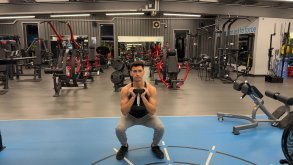
Goblet squat with dumbbell
Beginner

Front squat
Intermediate

Dumbbell offset squat
Intermediate
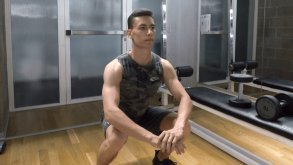
Squat without equipment
Beginner
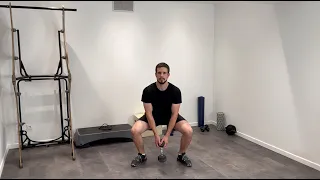
Dumbbell pulse squat
Beginner
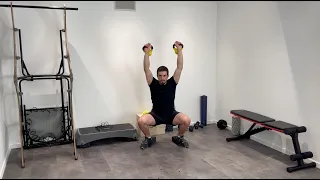
Kettlebell overhead heels elevated squat
Advanced
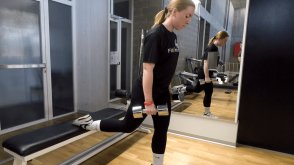
Bulgarian split squat with dumbbells
Intermediate
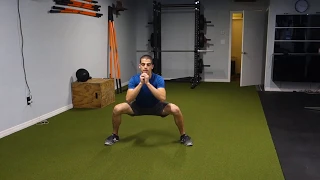
Squat to knee raise
Beginner
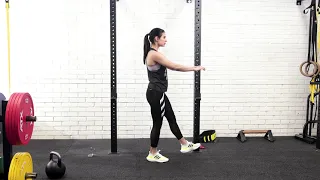
Pistol (one legged squat)
Advanced
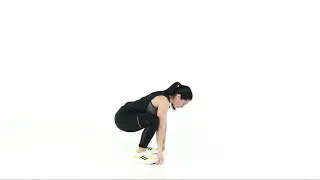
Deep squat to stand
Beginner
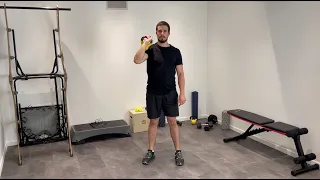
Kettlebell single arm jerk squat
Advanced
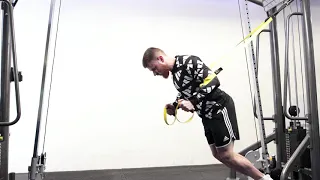
Trx front squat
Beginner
Related fitness articles
See all
Shoulder pain in weight training: prevention and solutions
Risk of injuries
What is the best training structure?
Muscle gain

Lose weight fast: effective and safe methods
Diet

Dietary supplements: what should you know?
Health

Cardio and strength training: how to avoid interference
Weight loss
Supplements taken wrong: mistakes that cancel their effects
Dietary supplements

High-calorie foods: why choose them?
Muscle gain
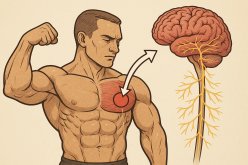
Mind-muscle connection: the key to effective training
Muscle gain
Recommended by our experts
Receive your personalized program
Stop training at random.
Get my program- Program tailored to your profile
- Guided progression
- Compatible with your equipment
- Structured plan
Our coach prepares your program
Get my program