Barbell Reverse Grip Bench Press
Demonstration video

Recommended by our experts
Receive your personalized program
Stop training at random.
Get my program- Program tailored to your profile
- Guided progression
- Compatible with your equipment
- Structured plan
Our coach prepares your program
Get my programHow to do Barbell Reverse Grip Bench Press
Instructions
- Lie flat on a musculation bench with feet firmly planted on the ground.
- Grip the barbell with a supinated (underhand) grip, slightly wider than shoulder-width.
- Unrack the bar and hold it directly above your chest with arms fully extended.
- Lower the barbell slowly to the lower chest while keeping elbows close to the torso.
- Push the bar back up to the starting position by extending your arms fully.
- Repeat for the desired number of reps, then re-rack the bar carefully.
Technical Tips
- Use a spotter for safety, especially with heavier weights.
- Maintain a neutral wrist position to reduce strain.
- Avoid flaring your elbows to protect the shoulders.
- Keep your scapulae retracted throughout the movement.
Breathing Tips
- Inhale deeply as you lower the barbell.
- Exhale forcefully as you press the bar back up.
Medical restrictions
- Shoulder impingement
- Elbow tendonitis
- Wrist instability
Description
The Barbell Reverse Bench Press, also known as the Barbell Reverse Grip Bench Press, is a powerful upper body compound exercise that emphasizes the chest and biceps in a unique way. Unlike the traditional bench press, this variation uses a supinated (underhand) grip, which significantly increases biceps activation while reducing shoulder strain. This grip also shifts the emphasis lower on the chest, making it a valuable alternative for athletes looking to develop a more balanced and complete pectoral structure. It's commonly integrated into bodybuilding and strength-training routines to break plateaus and diversify chest workouts. The reverse grip technique requires enhanced wrist and forearm stability, adding a layer of complexity that can benefit intermediate and advanced lifters. Incorporating the Barbell Reverse Bench Press into your training can lead to improved pressing strength, greater upper-body muscular engagement, and injury prevention through grip variation.
Frequently asked questions
-
Is the barbell reverse bench press good for biceps development?
Yes, the barbell reverse bench press activates the biceps more than a traditional bench press due to the supinated grip, making it beneficial for biceps development. -
Can I do the barbell reverse bench press if I have shoulder pain?
The barbell reverse bench press may reduce shoulder strain compared to the regular bench press, but it's essential to consult a medical professional before performing it with shoulder pain. -
What muscles does the barbell reverse bench press work?
The barbell reverse bench press primarily targets the chest and biceps, with secondary engagement of the triceps and front deltoids. -
Is the barbell reverse bench press harder than the regular bench press?
Yes, due to the grip position and stabilizer involvement, the barbell reverse bench press is generally more challenging and requires more control than the traditional bench press. -
Should I use a spotter for the barbell reverse bench press?
Yes, using a spotter is highly recommended for the barbell reverse bench press to ensure safety, especially when handling heavier weights.
Variants and alternatives
See all
Convergent bench press
Beginner
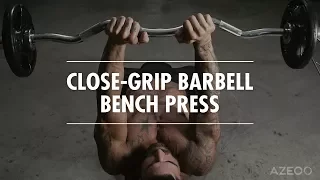
Close-grip barbell bench press
Intermediate
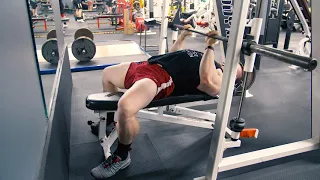
Smith machine close-grip bench press
Intermediate

Close grip dumbbell bench press
Intermediate

Smith machine bench press
Beginner
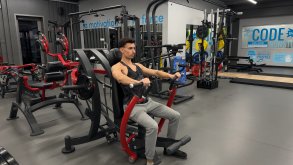
Seated machine bench press
Beginner
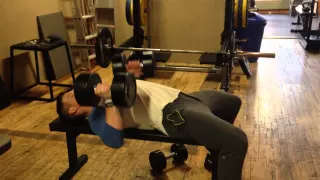
Neutral grip dumbbell bench press
Beginner
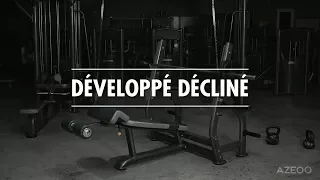
Decline barbell bench press
Intermediate

Decline dumbbell bench press
Intermediate
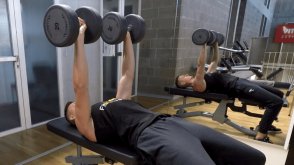
Dumbbell bench press
Intermediate
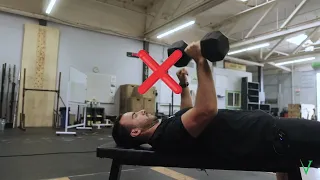
Single-arm dumbbell bench press
Intermediate
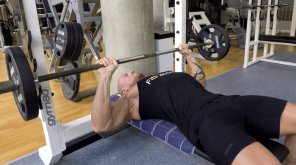
Barbell bench press
Intermediate
Related fitness articles
See all
Shoulder pain in weight training: prevention and solutions
Risk of injuries

What is the best training structure?
Muscle gain

Lose weight fast: effective and safe methods
Diet

Dietary supplements: what should you know?
Health

Cardio and strength training: how to avoid interference
Weight loss

Supplements taken wrong: mistakes that cancel their effects
Dietary supplements

High-calorie foods: why choose them?
Muscle gain
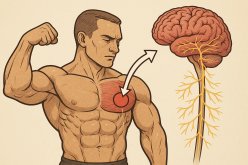
Mind-muscle connection: the key to effective training
Muscle gain
Recommended by our experts
Receive your personalized program
Stop training at random.
Get my program- Program tailored to your profile
- Guided progression
- Compatible with your equipment
- Structured plan
Our coach prepares your program
Get my program