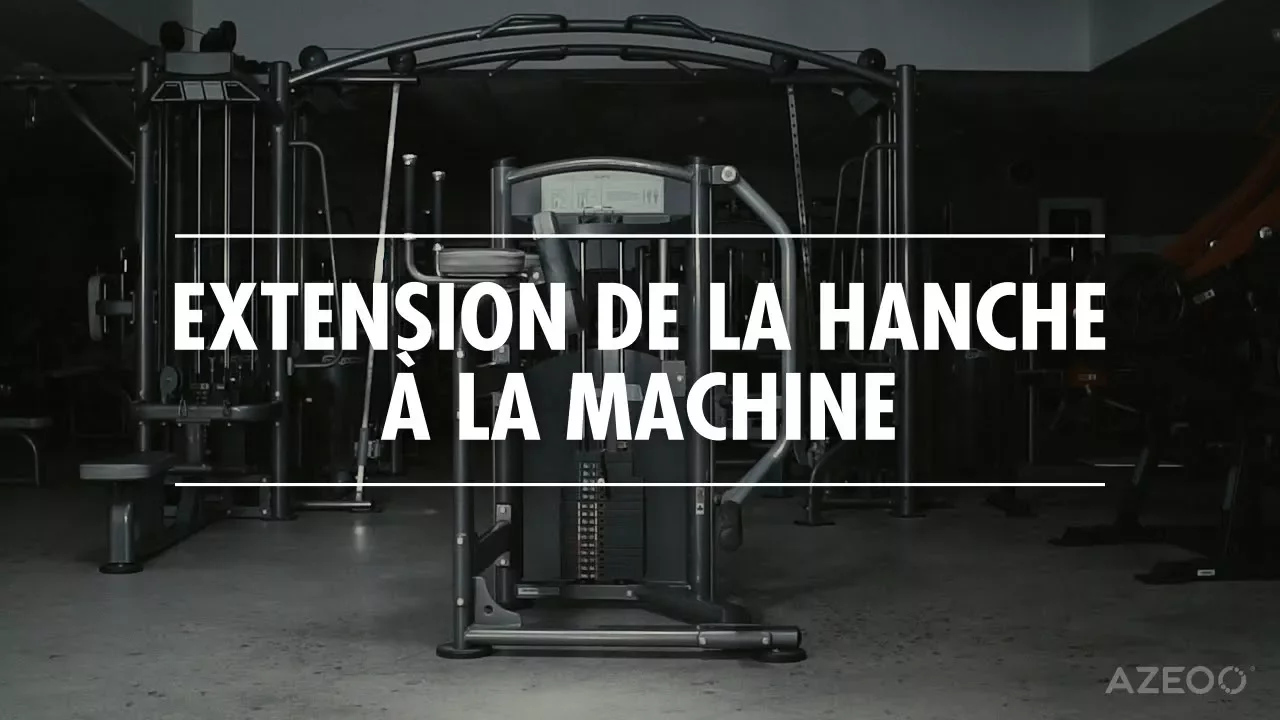
Standing Hip Extension
Demonstration video
Recommended by our experts
Receive your personalized program
Stop training at random.
Get my program- Program tailored to your profile
- Guided progression
- Compatible with your equipment
- Structured plan
Our coach prepares your program
Get my programHow to do Standing Hip Extension
Instructions
- Stand with your chest supported against the pad of the machine.
- Grip the handles firmly for stability.
- Place one foot on the platform with your knee slightly bent.
- Push your working leg backward by extending the hip while keeping your core tight.
- Return slowly to the starting position under control.
Technical tips
- Avoid overarching your lower back.
- Keep the movement slow and controlled.
- Focus on contracting the glutes at the top of the motion.
- Maintain a slight bend in the supporting leg for stability.
Breathing tips
- Exhale as you push your leg backward.
- Inhale slowly as you return to the starting position.
Medical restrictions
- Avoid if experiencing acute hip injuries.
- Not recommended for those with severe lower back pain.
- Consult a physician if you have chronic knee or hip conditions.
Description
The standing hip extension is a highly effective isolation exercise designed to strengthen and shape the glute muscles while improving hip mobility and lower body stability. Performed on a guided machine, this movement involves extending one leg backward against resistance, which directly engages the gluteus maximus and recruits supporting muscles such as the hamstrings and gluteus medius for stability. This exercise is commonly included in lower body training programs to improve athletic performance, enhance power in hip extension, and build muscular definition in the posterior chain. Because it is performed unilaterally, it also helps correct muscular imbalances between the left and right sides. The controlled range of motion and guided support provided by the machine make it accessible to beginners, while still allowing progressive overload for advanced lifters. In addition to its aesthetic benefits, the standing hip extension plays a role in injury prevention by reinforcing the glutes, which are critical for maintaining proper pelvic alignment and reducing stress on the lower back and knees. Suitable for bodybuilding, general fitness, and rehabilitation-focused training, it can be used as either a primary glute isolation movement or as a finishing exercise after compound lifts. Consistent practice of this exercise helps improve posture, running stride, and functional strength, making it a valuable addition to any lower body routine.
Frequently asked questions
-
What muscles do standing hip extensions work?
Standing hip extensions primarily target the gluteus maximus, with secondary activation of the gluteus medius and hamstrings, making it an effective glute isolation exercise. -
Is the standing hip extension good for beginners?
Yes, the standing hip extension machine provides stability and guided movement, making it beginner-friendly while still allowing progression as strength improves. -
How many reps should I do for standing hip extensions?
For muscle growth, aim for 10 to 15 controlled reps per leg. For endurance and toning, 15 to 20 reps with lighter resistance are effective. -
Can standing hip extensions help improve my posture?
Yes, strengthening the glutes through standing hip extensions supports pelvic alignment and helps reduce lower back strain, which can improve posture. -
Are standing hip extensions better with a machine or cables?
Both are effective. The machine offers guided stability, ideal for beginners, while cables allow more natural movement and versatility for advanced training.
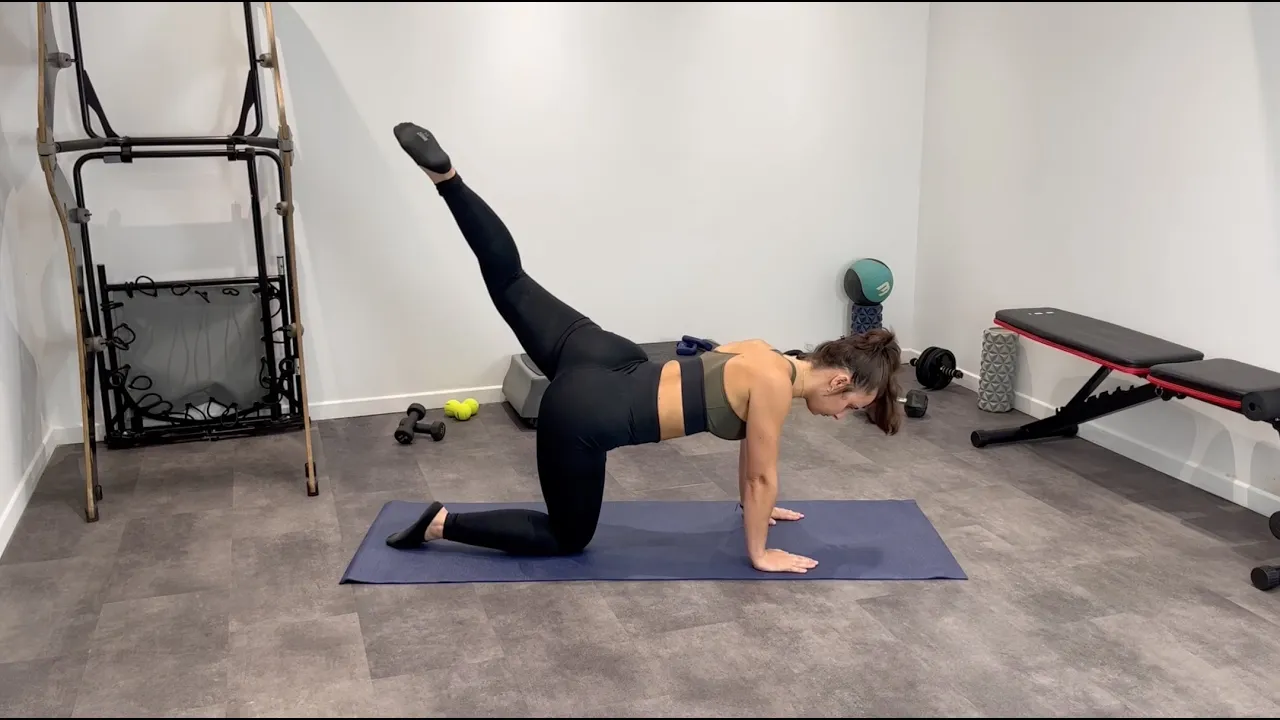
Variants and alternatives
See all
Related fitness articles
See all
Shoulder pain in weight training: prevention and solutions
Risk of injuries
What is the best training structure?
Muscle gain

Lose weight fast: effective and safe methods
Diet

Dietary supplements: what should you know?
Health

Cardio and strength training: how to avoid interference
Weight loss

Supplements taken wrong: mistakes that cancel their effects
Dietary supplements

High-calorie foods: why choose them?
Muscle gain

Mind-muscle connection: the key to effective training
Muscle gain
Recommended by our experts
Receive your personalized program
Stop training at random.
Get my program- Program tailored to your profile
- Guided progression
- Compatible with your equipment
- Structured plan
Our coach prepares your program
Get my program